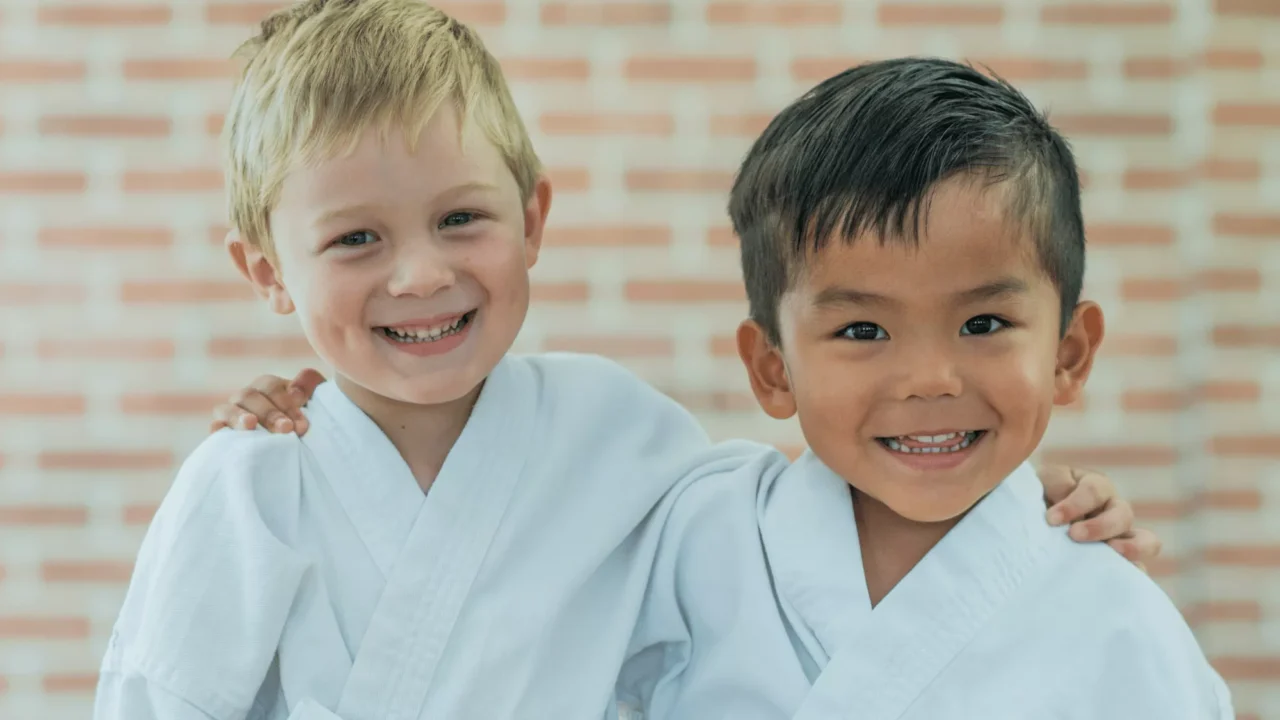
Parents often ask: Should my child enroll in a kids martial arts class or try ninja‑style obstacle training? Both options are exciting, build confidence and keep kids active, but they’re not identical. Martial arts emphasize self‑discipline, respect and traditional self‑defense techniques, while ninja training immerses children in dynamic obstacle courses that demand agility, strength and quick thinking.
In this article, we compare kids martial arts vs. ninja training to help you decide which program is the best fit for your child. Whether you’re seeking a structured discipline like karate or a playful challenge like ninja warrior, Mission Grit’s programs in Charlotte and Fort Mill offer high‑energy learning that prepares children for success both on and off the mat.
Also Read:
- Parkour vs. Freerunning vs. Obstacle Courses: Which is Best for Your Child?
- 4 Reasons Why Ninja Warrior Training Boosts Confidence For Kids In Charlotte
- How Extracurricular Activities For Skill Development Help Kids Thrive
- 8 Fun Child Self-Esteem Activities that Build Unshakable Confidence
TL;DR:
Both kids martial arts and ninja training offer powerful benefits: martial arts emphasizes discipline, self‑control and traditional self‑defense skills, while ninja training focuses on obstacle‑course fun that develops strength, coordination and resilience. Parents looking for a confidence‑boosting activity should consider their child’s interests and goals; Mission Grit’s programs blend the best of both worlds by teaching martial‑arts basics within dynamic ninja‑style obstacles.
5 Key Takeaways:
- Martial arts build discipline and self‑control. Research shows that children who participate in martial arts develop better self‑confidence, social skills and motivation while becoming less aggressive.
- Ninja training develops strength and coordination. Regularly tackling obstacle courses helps children build leg strength, balance and gross motor skills, particularly through climbing, crawling and jumping activities.
- Both programs enhance mental focus. Martial arts training has been linked to improved executive function and self‑regulation, while ninja obstacles encourage problem‑solving and quick decision‑making.
- Kids gain resilience and confidence. Overcoming challenging moves in martial arts and conquering obstacle courses teach perseverance and boost self‑esteem.
- Choose the program that fits your child’s personality. Martial arts are perfect for kids drawn to structure and tradition, whereas ninja training suits energetic children who love variety and adventure. Mission Grit’s XPLOR After School Program combines the best of both, letting kids explore their strengths while learning life skills.
Kids Martial Arts: Discipline, Confidence and Self‑Defense
What is “kids martial arts”?
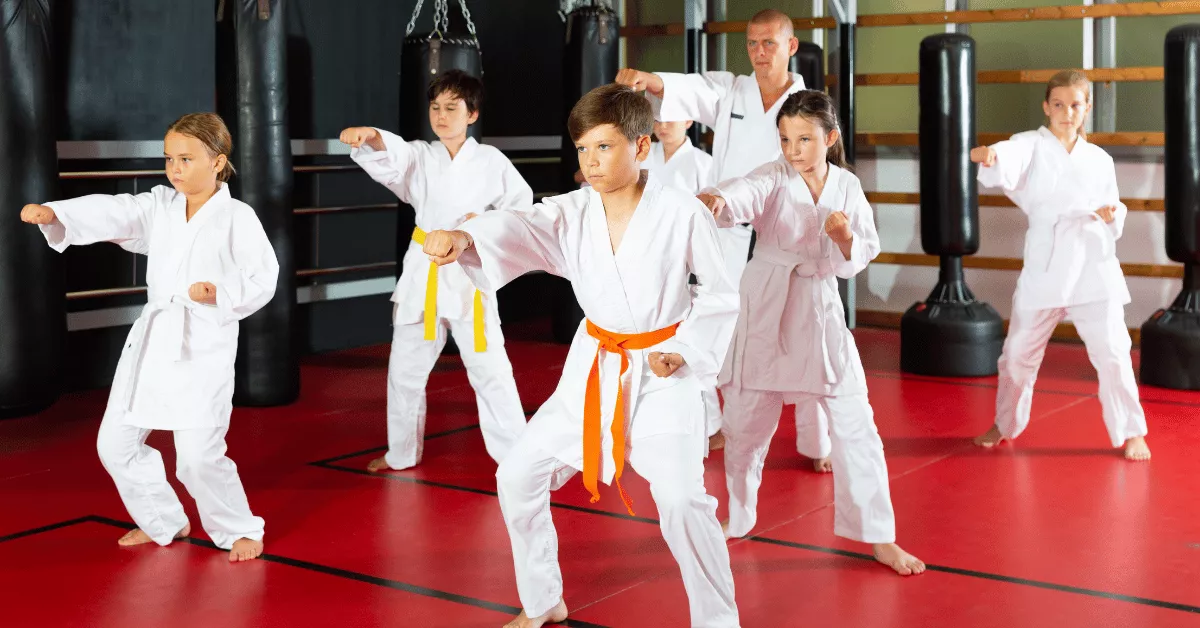
Kids martial arts classes such as karate, taekwondo, judo and jiu‑jitsu teach children structured movements, self‑defense techniques and etiquette. Students wear uniforms, bow to instructors and earn colored belts as they master new skills. Beyond the kicks and punches, martial arts emphasize courtesy, focus and inner calm. Children learn to respect themselves and others, follow instructions and channel their energy productively.
According to a systematic review of martial arts programs for children, participation is associated with increased social skills and self‑confidence and decreased aggressiveness. Researchers also note that martial arts training helps children develop determination and motivation.
Physical benefits
Martial arts training is a full‑body workout. Students practice kicking, punching, blocking, grappling and balancing, which builds strength, coordination and flexibility. A one‑year study of a school‑based karate program found that children in the intervention group improved cardiorespiratory fitness and balance much more than peers in a regular physical education program.
Similar research on Kyokushin karate reported significant gains in maximum aerobic capacity, strength, speed–power and flexibility among 10‑ to 12‑year‑old participants. Martial arts also develop core stability; girls in a karate group performed best in upper‑extremity strength tests compared to gymnasts and inactive children. With classes held year‑round, martial arts keep kids moving and counter sedentary lifestyles.
Mental and emotional benefits
Beyond physical fitness, martial arts nurture mental strength. Traditional classes teach students to focus on the present moment, regulate emotions and respond calmly under pressure. A randomized trial on school children demonstrated that Taekwondo lessons improved attentional capacity and self‑regulation compared with standard physical education.
Martial arts interventions also showed significant improvements in executive functions, such as inhibition and cognitive processing speed, when compared to control groups. In other words, martial arts help children develop self‑control and decision‑making skills: traits that translate to better behavior in class and at home.
Character development
Martial arts programs emphasize respect, perseverance and humility. Young martial artists bow when entering the dojo, listen attentively and practice techniques repeatedly until they achieve proficiency. This rigorous process teaches patience and resilience.
Research suggests that well‑organized martial arts training promotes determination, consistency and motivation. As children progress through belt ranks, they experience goal setting and accomplishment, boosting their self‑esteem. The supportive atmosphere also discourages negative behavior.
When kids martial arts is a good fit
Martial arts classes are ideal for children who thrive on structure and enjoy goal‑oriented challenges. If your child loves routines, wants to learn self‑defense or needs help focusing, martial arts may be the perfect match.
Additionally, many parents choose martial arts to foster respect and discipline or to help shy children gain confidence. If you’re looking for a program that emphasizes mindfulness and personal growth, martial arts is a strong choice.
Ninja Training: Dynamic Obstacle Courses and Adventure
What is ninja training for kids?
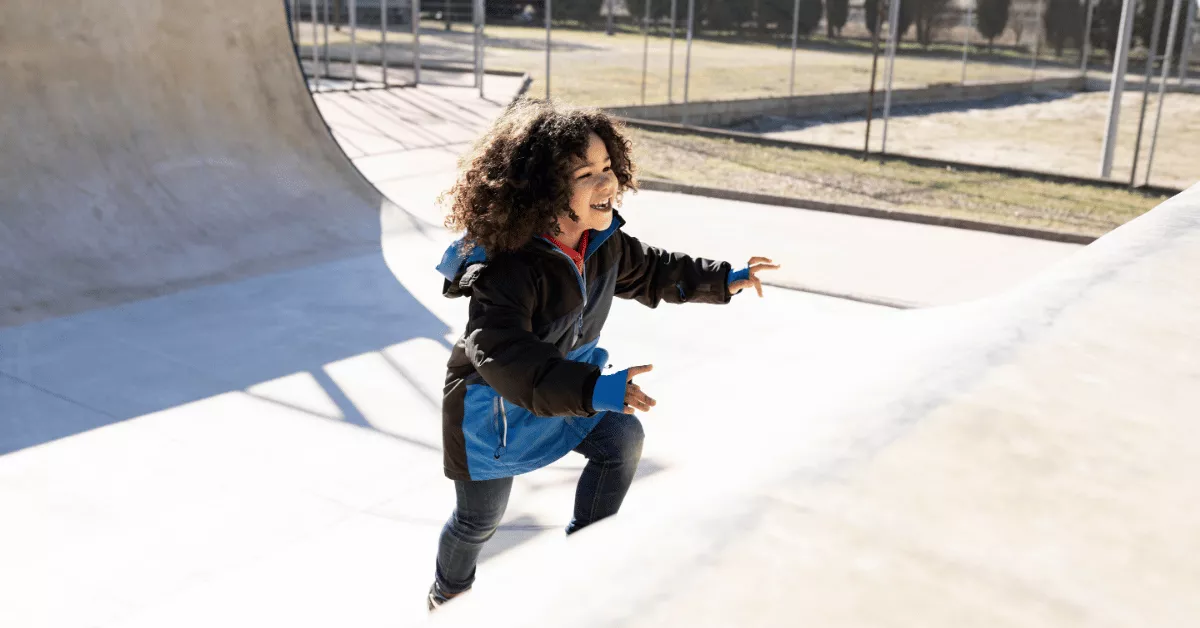
Inspired by television competitions and obstacle races, ninja training takes place in specially designed gyms filled with climbing walls, cargo nets, balance beams, swinging rings and warp walls.
At Mission Grit’s XPLOR After School Program in Charlotte and Fort Mill, children navigate obstacle courses that change frequently, keeping them engaged and motivated. The emphasis is on functional fitness with running, jumping, crawling and climbing, rather than traditional martial arts moves. Coaches encourage kids to try new challenges at their own pace and cheer them on, creating a non‑competitive environment.
Physical benefits
Ninja training is a playground for developing gross motor skills. A school‑based intervention that incorporated obstacle courses showed that repeated engagement with jumping, climbing and crawling activities leads to improved motor competence and leg strength.
Children who created and maneuvered through obstacle courses developed lower body strength by incorporating tasks like leaping over equipment, crawling through tunnels and running between stations. Each obstacle demands coordination, balance and core stability.
When kids swing across rings or climb a warped wall, they’re strengthening their grip, arms and upper body. Over time, these physical challenges translate to greater agility and endurance.
Cognitive and social benefits
Ninja courses aren’t just physically demanding; they require quick thinking and problem‑solving. Kids must decide how to approach each obstacle, whether to leap, duck or swing, and adapt on the fly. This fosters cognitive flexibility and resilience.
The ever‑changing challenges keep children curious and engaged. Moreover, because obstacles are often attempted individually but celebrated collectively, kids learn to support peers and celebrate small victories.
Working together to overcome a difficult obstacle builds social bonds and teamwork skills. For children who prefer variety and spontaneity over strict routines, ninja training offers an inviting alternative to more traditional sports.
Building confidence through overcoming challenges
Each time a child conquers a new obstacle, they experience a surge of confidence. The “I did it!” moment after scaling a rope or completing the warp wall teaches them that perseverance pays off. That sense of accomplishment encourages kids to attempt even harder challenges in the future.
Coaches at Mission Grit celebrate every effort, whether the child makes it across the obstacle or simply tries something new. This supportive environment empowers timid children to step outside their comfort zones and take healthy risks. The skills they learn by balancing, jumping, or problem‑solving transfer to real‑life scenarios, from navigating playgrounds to tackling schoolwork.
When ninja training is a good fit
Ninja training appeals to children with high energy, curiosity and a love of adventure. If your child adores climbing trees, jumping off playground equipment or watching ninja competitions on TV, they will likely thrive in a ninja program.
It’s also an excellent choice for kids who need a break from structured sports or who prefer creative play to formal instruction.
Because ninja training offers scalable challenges, it suits a wide range of ages and abilities. Kids can repeat obstacles at their own pace and celebrate progress rather than comparing themselves to others.
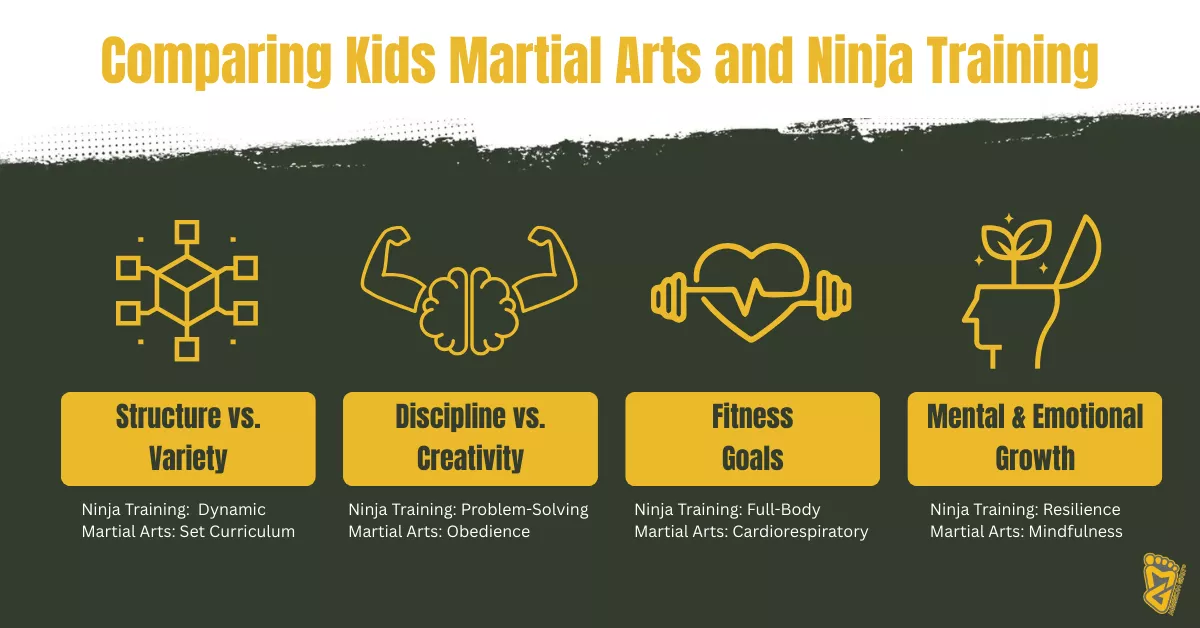
Comparing Kids Martial Arts and Ninja Training
Structure vs. variety
One of the biggest differences between kids martial arts and ninja training is structure. Martial arts follow a set curriculum with specific forms (kata), belt tests and etiquette. Children know exactly what to expect each class and gradually progress toward a higher rank.
Ninja training, on the other hand, is dynamic; obstacles change weekly, encouraging kids to adapt and think creatively. Consider whether your child prefers routine and tradition or thrives on novelty and exploration.
Discipline vs. creativity
Both programs teach discipline, but in different ways. Martial arts discipline is explicit: students must follow commands, master precise movements and respect hierarchy. Ninja discipline is more implicit—kids must focus and control their bodies to navigate the course safely.
However, ninja programs allow more freedom in how obstacles are approached, fostering creativity and self‑expression. Martial arts is ideal for cultivating patience and attention to detail; ninja training nurtures independent problem‑solving and spontaneous decision‑making.
Fitness goals
If you’re mainly concerned with building cardiovascular fitness, strength and flexibility, both programs deliver. Martial arts often include calisthenics and partner drills that improve overall conditioning. Obstacle courses emphasize functional movements that mimic real‑world challenges, strengthening the entire body. Research shows that karate programs significantly improve cardiorespiratory fitness, balance and muscular strength, while obstacle course programs develop leg strength and coordination. Ultimately, your child’s personality and interests will determine which training feels more motivating.
Mental and emotional growth
Both activities build resilience and confidence, but they do so differently. Martial arts encourage introspection, mindfulness and respect, helping children regulate emotions and improve executive function.
Ninja training teaches children to bounce back quickly from falls or missed grabs and to celebrate effort as much as success. The choice depends on whether you value deliberate practice and calm focus or dynamic challenges and playful exploration.
4. Choosing the Right Program for Your Child
Consider your child’s interests and temperament
Every child is unique. Before selecting a program, think about what motivates your child. Do they like structured activities and striving toward belt levels? Martial arts might suit them best. Do they love climbing, jumping and improvising? Ninja training could be their calling.
If your child is shy, martial arts may help them build social confidence through small class sizes and respectful interactions. For high‑energy children who need to burn off steam and face new challenges regularly, ninja classes provide an engaging outlet.
Evaluate the learning environment
The quality of instruction matters. Look for programs that prioritize safety, provide positive reinforcement and create a welcoming community. At Mission Grit, our certified coaches are passionate about teaching life skills through movement.
We integrate martial‑arts basics like stance, balance, and respect into our ninja‑style obstacle courses, so children gain the best of both worlds. Our XPLOR After School Program in Charlotte and Fort Mill offer structured classes that blend discipline and creativity, giving kids opportunities to build muscle, improve coordination and gain confidence.
Try before you decide
Many programs offer trial classes so your child can experience the training first‑hand. A trial class helps you see how the instructors interact with students and whether your child feels excited and supported. At Mission Grit, we encourage families to book a free trial class to explore our unique blend of martial arts fundamentals and ninja obstacles. Watching your child smile as they ring the bell at the end of an obstacle or earn their first stripe is the best way to gauge fit. You can also speak with our team to discuss your child’s goals and find the right class level.
Conclusion
Both kids martial arts and ninja training are fantastic tools for building confidence, fitness and resilience in children. Martial arts offer structure, tradition and a strong focus on discipline and self‑control, while ninja training provides dynamic obstacle challenges that boost strength and creativity.
Research shows that martial arts participation enhances social skills and self‑confidence and reduces aggressiveness in children, while consistent engagement with obstacle courses improves motor skills and leg strength. Ultimately, the choice comes down to your child’s personality and your family’s goals.
Mission Grit’s programs in Charlotte combine the best of both worlds. Our XPLOR After School Program integrates martial‑arts fundamentals with fun obstacle courses, teaching kids discipline, problem‑solving and teamwork, all while they jump, climb and swing.
Ready to help your child thrive? Contact Mission Grit or book a free trial class today. Let’s work together to build strong, confident kids who aren’t afraid to tackle any challenge.