
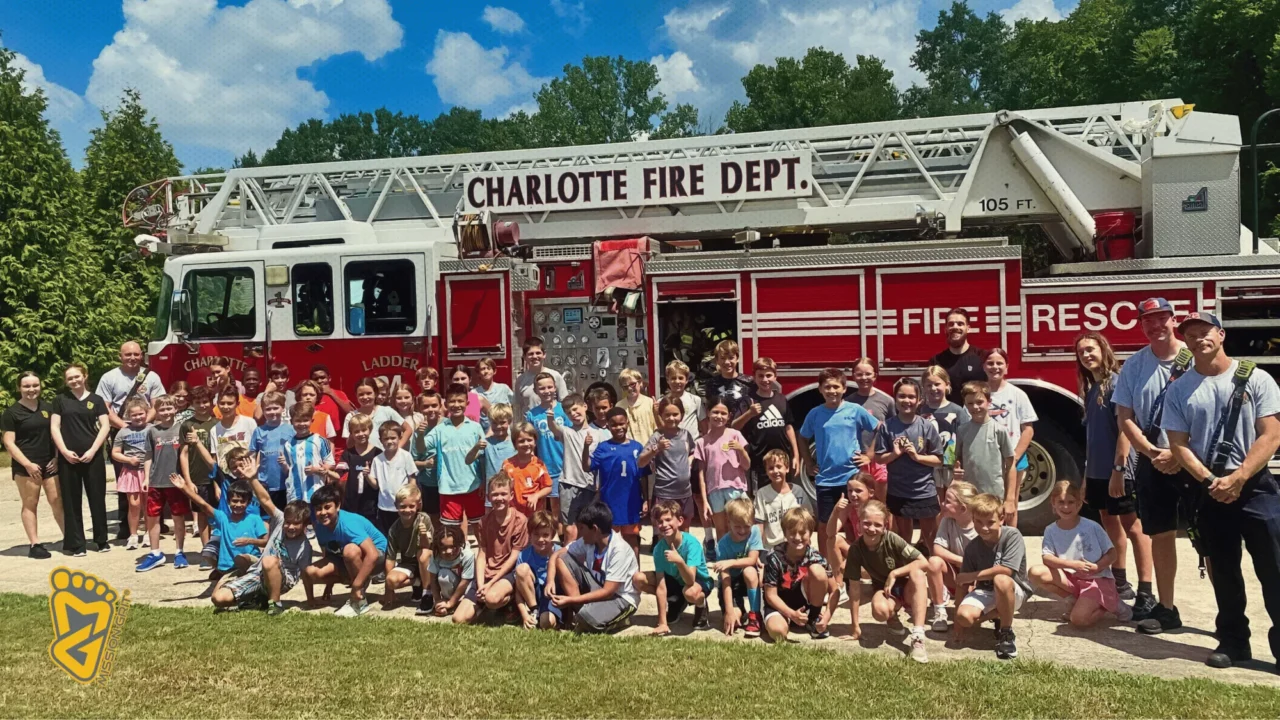
Choosing your child’s first summer camp experience in Charlotte or Fort Mill, is one of the most impactful decisions you’ll make for their development. Between managing work schedules and finding a program that genuinely moves the needle, Charlotte and Fort Mill parents face real choices — and not all camps are created equal. Mission Grit’s Leadership Summer Camp takes a structured, purposeful approach through obstacle courses and team challenges that build confidence, resilience, and independence in kids ages 7 and up. Children don’t just pass time here — they grow.
Whether you’re exploring Charlotte and Fort Mill summer camps for the first time or comparing options, this guide walks you through what separates a truly developmental program from a supervised holding pattern — and how to set your child up to thrive from day one.
TL;DR: First Summer Camp Charlotte NC & Fort Mill Guide
Selecting the right first summer camp in Charlotte or Fort Mill means looking beyond flashy facilities at what actually shapes your child: staff quality, program structure, and a genuine developmental framework. Research shows 60% of summer camp alumni report improved independence and teamwork skills — but those results come from programs designed with intention. Mission Grit’s Leadership Summer Camp is built on exactly that foundation: purposeful structure, veteran mentors, and the S.P.I.R.I.T. Method that turns every obstacle course and team mission into a building block for life.

Key Points:
- Verify ACA accreditation and staff screening for safety
- Structure is a feature, not a burden — kids thrive when expectations are clear and high
- Mission Grit runs 8 AM–4 PM with obstacle courses and veteran mentors
- Watch for positive engagement during drop-off as an early success indicator
- Prepare children through routine-building and open, specific conversations about camp
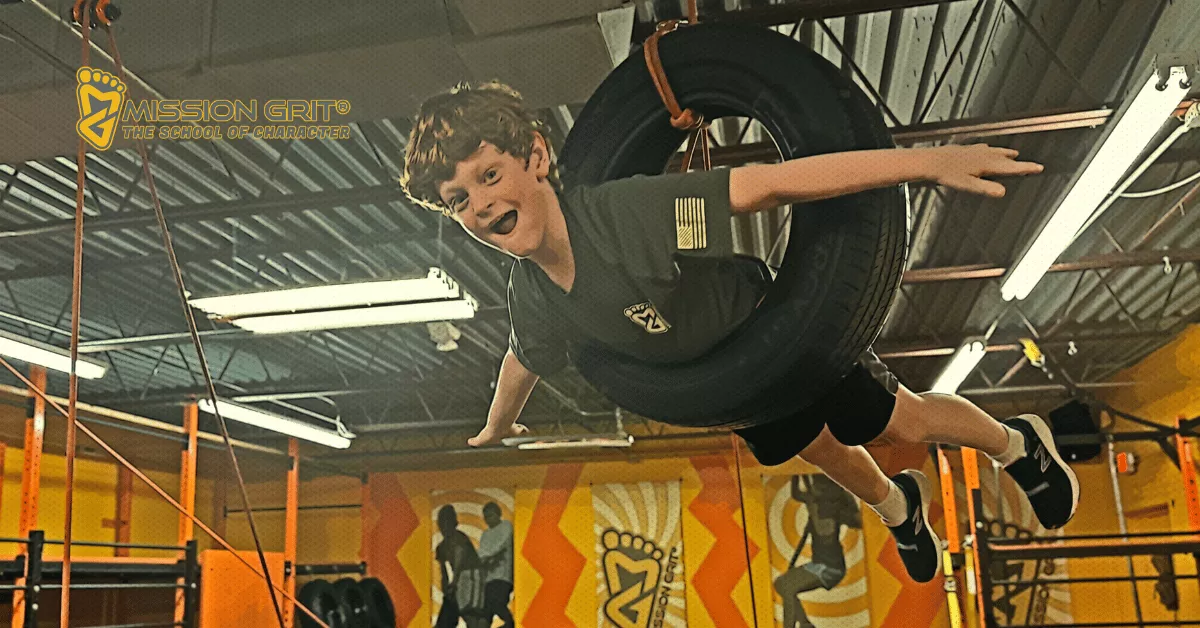
Choose the Right First Summer Camp in Charlotte & Fort Mill
Your child’s first camp experience shapes how they view independence, social challenges, and new environments. The right program doesn’t just keep kids busy — it builds confidence that carries into school, relationships, and every challenge they face going forward. The difference between a great camp and a mediocre one is the difference between growth and glorified babysitting.
Start by checking if programs meet American Camp Association standards. ACA accreditation means the camp undergoes peer review of 300+ benchmarks across health, safety, program quality, and operations. This isn’t just paperwork — it’s verification that trained professionals reviewed everything from emergency protocols to staff ratios.
Staff qualifications matter more than fancy facilities. Confirm camps conduct annual criminal background checks and sex offender registry verification for all personnel. Ask about minimum age requirements and experience levels. High returning staff percentages indicate employees value the environment enough to come back — which typically translates to better supervision and stronger bonds with campers. Mission Grit employs military veterans and year-round trained staff who create the kind of consistency kids can trust and grow into.
The best summer camps in Charlotte and Fort Mill balance structure with engagement. Children need predictable routines that reduce anxiety while offering varied activities that prevent boredom. Programs that constantly rotate themes and challenges — like Mission Grit’s daily obstacle course variations — keep kids mentally engaged throughout long summer weeks.
What Separates a Great Camp from Basic Supervision
Not every summer program is designed with your child’s growth in mind. Some prioritize convenience over development. Here’s a direct look at how Mission Grit compares to the kind of low-structure programs that pass time without building anything:
| What You’re Comparing | Typical Day Camp / Babysitting Model | Mission Grit Leadership Summer Camp |
| Daily Structure | Loosely supervised free play or screen time | Purposeful schedule: obstacle courses, team missions, leadership challenges — every hour matters |
| Staff Quality | General childcare workers, high turnover | Military veterans and year-round trained staff who know every child by name |
| What Kids Build | Little beyond passing time | Confidence, resilience, teamwork, and problem-solving — skills parents see at home |
| Environment | Passive, low-expectation | High-energy, high-structure — kids rise to the challenge because they’re expected to |
| Program Design | Activities chosen for convenience | Every element built around the S.P.I.R.I.T. Method for whole-child development |
| Outcomes | Kids tolerate summer | Kids grow — and beg to come back |
Children don’t just tolerate structure — they thrive in it. When expectations are clear, staff are engaged, and every activity has a purpose, kids rise to meet the challenge. That’s not a philosophy at Mission Grit; it’s what parents observe at pickup every single day.
Assessing Program Fit for Your Child
Mission Grit’s high-structure, high-energy approach produces remarkable results for children of all personalities and backgrounds. Kids who might initially seem hesitant — whether from shyness, low physical confidence, or first-camp nerves — consistently surprise their parents by the end of week one. The structured format, consistent mentors, and team-based environment give every child something to anchor to. If you’re unsure about fit, take advantage of Mission Grit’s trial class option before committing to a full week. Seeing the environment firsthand answers questions no brochure can.
Research identifies key warning signs a camp isn’t right for your child that have nothing to do with structure levels and everything to do with program quality. If staff seem disengaged, routines are unclear, or the environment feels chaotic, those are the real red flags. A well-run structured program eliminates those concerns by design.
Start With the “First Week Win” Criteria
A successful first week determines whether your child begs to return or needs convincing. Use this table to evaluate how any summer camp — including Mission Grit — is performing for your child:
| Criteria | What to Look For | Why It Matters |
| Smooth Separation | Child engages with activities within 15–20 minutes of drop-off | Quick engagement indicates a welcoming, well-structured environment that gives kids something to dive into right away |
| New Friendships | Child mentions at least one peer by name by day three | Social connection is one of the strongest predictors of a child wanting to return |
| Positive Communication | Child shares specific activity details when asked about their day | Detailed recall shows genuine engagement, not passive time-passing |
| Physical Safety Confidence | No unexplained injuries; child feels secure in the environment | Trust in safety protocols allows kids to take healthy risks and focus on growth |
| Anticipation for Return | Child expresses excitement or curiosity about next day’s activities | Forward-looking enthusiasm is the clearest signal the program is working |
At Mission Grit, parents should see enthusiasm build across the first week as children master new obstacle courses and earn MGM points for achievements. The point system gives kids concrete, visible progress — something to work toward and celebrate — which accelerates buy-in and makes returning feel like a mission, not an obligation.
What a Great First Day Should Look Like (and What to Avoid)
Drop-off reveals everything about how camps operate. You’re not just leaving your child — you’re observing whether staff handle transitions with skill or chaos.
Green Flags During Drop-Off
Friendly counselors who greet children by name create immediate connection. Staff who crouch to eye level, use enthusiastic tones, and offer specific welcomes (“We’re starting with obstacle courses today!”) demonstrate training and genuine investment in every camper.
Clear communication reduces parent and child anxiety. Quality programs outline the day’s schedule during drop-off, mentioning activity blocks, meal times, and pick-up procedures. At Mission Grit’s Charlotte location, staff explain the morning’s team challenges and afternoon obstacle courses — giving kids mental preparation so they walk in ready, not anxious.
Watch how quickly children engage. Brief distress followed by curiosity about activities within minutes shows healthy adjustment. Staff should actively facilitate introductions between campers through structured meet-and-greet moments or partner activities. Research shows 90% of campers make new friends at quality programs — that doesn’t happen by accident.
Red Flags That Create “I Don’t Want to Go Back”
Prolonged crying beyond the initial separation — lasting 15–20+ minutes — signals deeper issues. While brief first-day tears are normal, extended distress suggests staff lack effective transition strategies.
Chaotic drop-off areas with unclear instructions create immediate stress. If parents and children crowd doorways with no guidance, expect that disorganization to continue throughout the day. Disengaged staff scrolling phones or chatting among themselves instead of greeting campers reveal misplaced priorities. Your child picks up on these cues instantly.
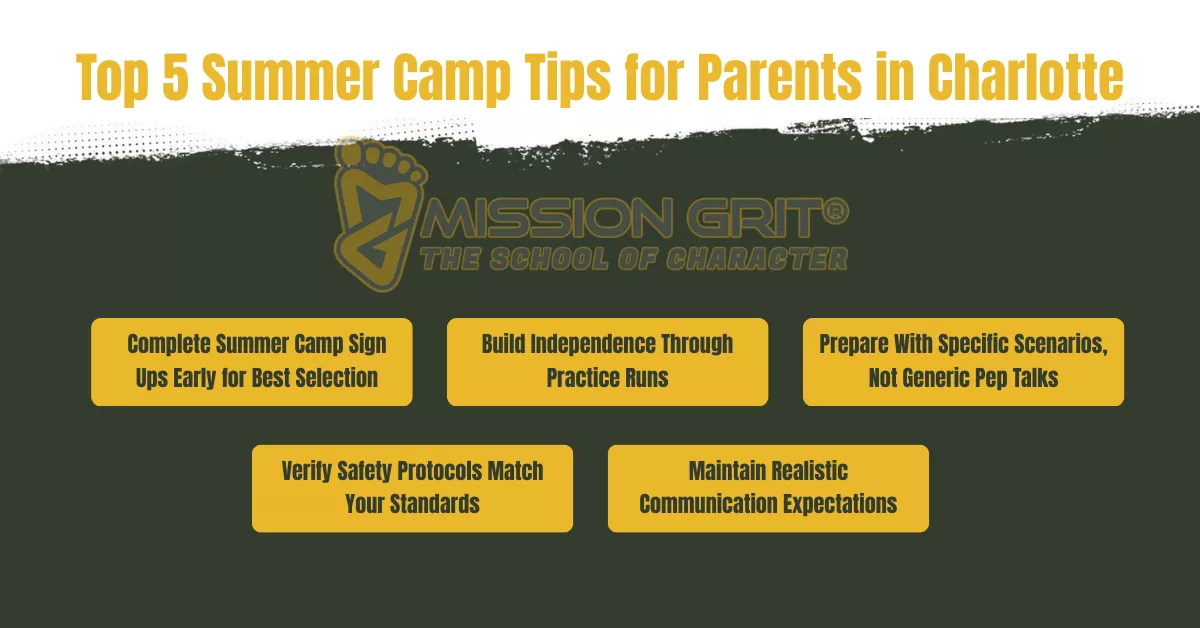
Top 5 Summer Camp Tips for Parents in Charlotte & Fort Mill
1. Complete Summer Camp Sign Ups Early for Best Selection
Charlotte’s quality programs fill quickly, often by late spring. Mission Grit offers early bird pricing through December ($360 versus $440 in June) — but value aside, early registration secures preferred weeks. Create a calendar marking registration opening dates for your top three choices and set reminders two weeks prior to research final questions.
2. Build Independence Through Practice Runs
Your child’s camp readiness matters more than their excitement level. Two months before start date, implement practice routines that mirror camp structure: consistent wake times, packing their own backpack, and completing tasks without prompting. These small shifts prime kids to operate confidently in a structured environment rather than relying on parental scaffolding.
Consider trial classes before committing to full summer enrollment. Mission Grit’s year-round programs let children experience the environment, meet staff, and test activities without multi-week commitments. This low-risk preview builds familiarity so the first day of camp feels like a return, not an unknown.
3. Prepare With Specific Scenarios, Not Generic Pep Talks
Rather than vague encouragement, use concrete preparation. One Mission Grit parent whose 8-year-old was nervous about the obstacle courses watched videos of age-appropriate parkour together and practiced climbing at a local playground. They discussed what makes climbing challenging and strategies for feeling capable (taking breaks, asking for help, trying a different route). By Day 2, her daughter was leading her team through the cargo net challenge. Preparation transformed anxiety into ownership.
Frame camp as an adventure they’re ready for. Walk through typical days with specifics: “You’ll do obstacle courses in the morning, eat lunch with your team, and tackle a new challenge in the afternoon.” Address the possibility of missing home directly: “You might miss home sometimes, and that’s normal. When that happens, you can tell a counselor, take a breath, and think about what’s coming next.” Research shows normalizing homesickness reduces its intensity when it occurs.
4. Verify Safety Protocols Match Your Standards
Don’t assume all summer camps meet identical safety requirements. Ask specific questions during facility tours: What are your supervision ratios? How do you screen staff? Who handles medical emergencies on-site? What’s your protocol for allergic reactions or injuries? Programs should provide detailed answers, not defensive generalizations. Mission Grit maintains small group sizes for personalized attention, conducts comprehensive background checks, and operates in a nut-free environment with clear emergency procedures.
Check pickup and drop-off security. Who can retrieve your child? How do staff verify authorized adults? Quality camps require photo ID checks and maintain strict documentation about approved guardians.
5. Maintain Realistic Communication Expectations
Modern parents expect constant updates, but limited device contact during camp benefits adjustment. Mission Grit, like many quality day camps, operates without phones during programming — because children fully engage when they’re not checking devices for external validation. Children adapt faster when they develop confidence in their own ability to handle a full day, rather than relying on a text from home. Many programs send photo updates or brief newsletters that let parents see the day without interrupting the experience.
Studies confirm children who attended summer camps exhibited significantly higher standardized test scores than non-camping peers, with skills acquired — problem-solving, critical thinking, and collaboration — translating directly into classroom performance. Additionally, 78% of camp participants reported improved mental health outcomes including lower rates of anxiety and depression.

Conclusion
Your child’s first summer camp experience sets the foundation for years of growth, independence, and social development. The difference between a program that transforms and one that just supervises comes down to intentional design: engaged staff, purposeful structure, and a developmental framework that ensures every week builds on the last.
Mission Grit’s approach — obstacle courses, team challenges, veteran mentors, and the S.P.I.R.I.T. Method — demonstrates what quality programming looks like when child development drives every decision. Their full-day camp structure from 8 AM to 4 PM supports working Charlotte families while providing the consistent, high-expectation environment children need to discover what they’re capable of. Benefits extend beyond summer: camp experiences improve academic performance, social skills, and mental health, with effects lasting years. Those obstacle courses your child conquers and friendships they build translate directly to classroom confidence and resilience when facing challenges.
Ready to give your child an exceptional first summer camp experience? Contact Mission Grit today to learn about their Leadership Summer Camp programs, tour their Charlotte or Fort Mill facilities, or call 704-733-9103. Early registration opens soon with limited spots available.
FAQ
What age is appropriate for first summer camp in Charlotte or Fort Mill?
Most quality day camps accept children ages 5–7 for first-time experiences, though readiness depends more on developmental factors than age alone. Mission Grit’s Leadership Summer Camp serves ages 7 and up, focusing on children who can follow multi-step instructions, separate from parents comfortably, and engage in group activities independently.
What should I pack for my child’s first day at summer camp?
Pack weather-appropriate athletic clothing, closed-toe sneakers, a reusable water bottle, sunscreen, and any required medications with proper documentation. Include a healthy lunch and two snacks unless the camp provides meals. Label everything with your child’s name. For Mission Grit specifically, pack clothes your child can move freely in — they’ll be climbing, running, and engaging in physical challenges all day.
How do I know if my child is adjusting well to summer camp?
Positive adjustment appears through specific behaviors: your child shares detailed stories about activities, mentions peers by name, expresses anticipation for the next day, and separates from you more easily each morning. Brief first-day nerves are normal and expected. Concerning signs include prolonged crying at drop-off beyond the first week, reluctance to return, or vague non-answers about the day.
Can my child attend if they have food allergies or special needs?
Many Charlotte programs accommodate allergies and special needs with proper documentation and advance notice. Mission Grit operates a nut-free facility addressing one of the most common serious allergies. During registration, provide detailed information about your child’s specific needs, triggers, required medications, and emergency protocols. Ask directly how staff are trained to handle your child’s condition and what accommodations they can reasonably provide.
Why is structure good for kids at summer camp?
Structure gives children a clear framework within which they can take risks, try new things, and build confidence. When expectations are consistent and staff are engaged, kids aren’t anxious about what comes next — they’re focused on what they’re doing right now. Research on youth development consistently shows that structured, high-expectation programs produce better outcomes in confidence, resilience, and social skills than loosely supervised alternatives. Children don’t need less structure; they need the right structure, led by people who believe in what they’re capable of.